Building management that is smart and efficient is more important than ever as towns grow and energy needs rise. AI is helping to make buildings not only use less energy but also be more comfortable for the people who live or work in them. Smart buildings that use AI can instantly learn, predict, and adapt to new needs. This post will talk about how AI works in smart buildings, how it saves energy, and how it makes the inside of buildings better for everyone.
Smart buildings use advanced technology to manage their lights, HVAC (heating, ventilation, and air conditioning), security systems, and other things. Data is sent to a central system for monitoring and control by sensors and other devices that are linked to it.
These buildings are designed to:
There is even more intelligence in the building when AI is put into it. AI helps the system understand the data and decide what to do in real-time.
Energy efficiency is one of the best things about using AI in smart buildings. In traditional buildings, systems are often set to run at set times, even if there isn't a need for them. It wastes energy. It is different from AI because it can change processes in real-time based on data like occupancy rates, weather patterns, and past usage.
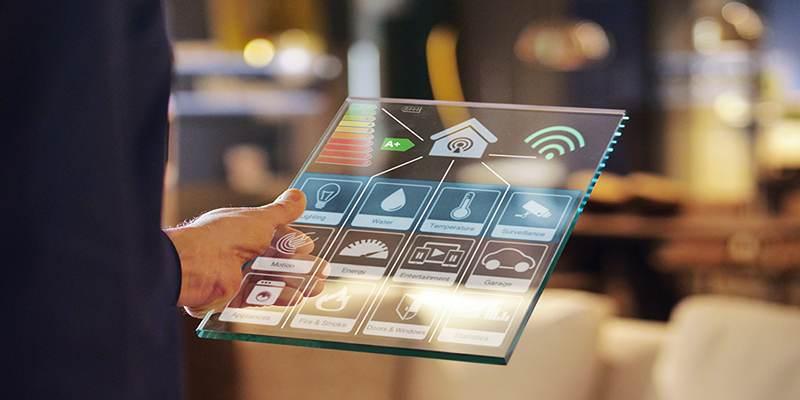
AI-powered systems constantly manage parts that use a lot of energy, such as:
It not only reduces electricity usage but also contributes to a lower carbon footprint.
AI enables buildings to forecast energy consumption and interact with the power grid. Through demand response programs, buildings can reduce or shift usage during high-demand periods. AI algorithms help:
By leveraging these capabilities, AI-driven buildings become active participants in sustainable energy ecosystems.
AI doesn’t just manage energy—it also protects building infrastructure. With predictive maintenance, AI uses sensor data and machine learning to anticipate equipment failures before they occur.
Building management systems continuously monitor devices like air conditioning units, elevators, boilers, and pumps. Here are some benefits of predictive maintenance include:
This proactive approach leads to smoother operations and fewer disruptions for building occupants.
While reducing energy consumption is a key goal, maintaining or improving comfort levels is equally important. AI helps smart buildings strike the right balance by continuously adapting indoor environments to the preferences and needs of occupants.
AI learns individual preferences and usage patterns over time. For instance, in an office setting, it may identify that a particular meeting room is always used at 10 a.m. and pre-adjust the temperature and lighting accordingly.
These personalized controls apply to:
By tailoring settings to occupant behavior, AI creates environments that are both comfortable and energy-efficient.
AI also contributes to better health by monitoring indoor air quality. Poor air quality can cause fatigue, headaches, and reduced productivity. AI systems respond to changes in CO₂ levels, humidity, or pollutants by:
Maintaining clean, healthy air has become especially important in the post-pandemic era, where ventilation plays a key role in ensuring safer indoor spaces.
AI in smart buildings is not just an idea—it’s already in use around the world.
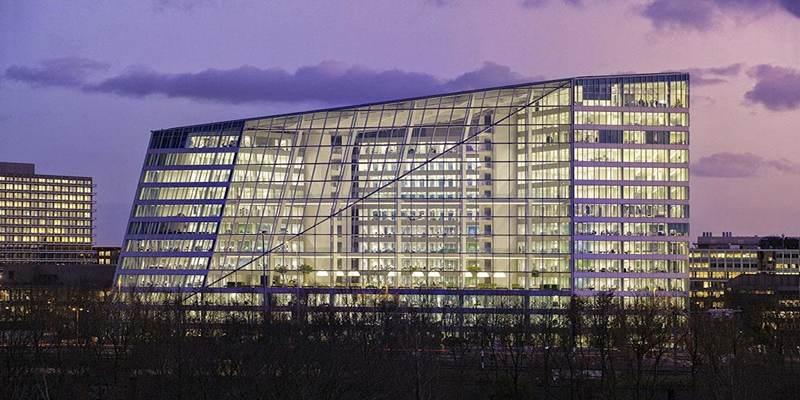
The Edge is known as one of the smartest and greenest buildings in the world. It uses AI to:
Singapore is also leading in smart building adoption. Its AI systems:
These examples show how AI is changing the way you design and manage buildings.
Here’s a quick look at the main benefits of using AI in smart buildings:
These advantages make AI a valuable investment for both home and commercial buildings.
AI is reshaping the way you think about energy management, comfort, and sustainability in smart buildings. By integrating AI technologies, buildings can not only reduce energy consumption and lower costs but also enhance the comfort and well-being of their occupants. While there are challenges in implementing these systems, the long-term benefits make it clear that AI is essential for the future of building design and management. Whether you are a building owner, manager, or occupant, the power of AI in smart buildings is something that cannot be ignored.
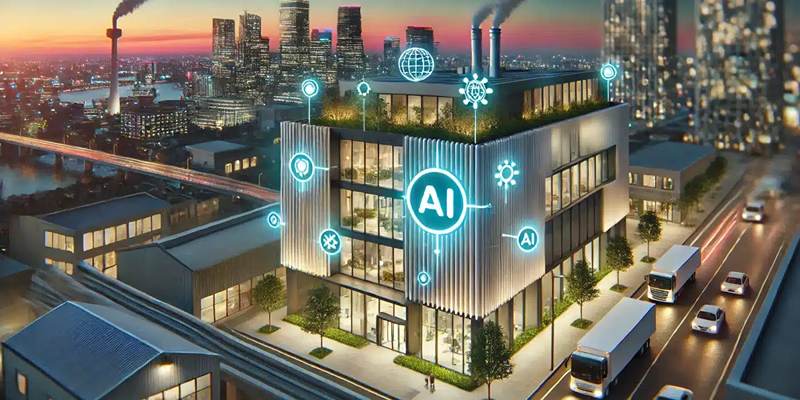
AI helps smart buildings save energy, lower costs, and occupant comfort through automation and intelligent insights.

Here are the top machine learning leaders transforming future technology by developing AI in deep learning, robotics, and ethics

AI is the ability of a machine to perform different tasks, including learning, making decisions, and solving problems like humans

Discover 8 AI-driven data analytics technologies with superior AI analytics solutions that enable better corporate decisions

Learn about Runway Gen-2, Pika Labs, and Sora among the top three video-generating models changing content creation using AI

AI is transforming water and electricity utility services by enhancing efficiency and reducing costs globally.

Discover how generative artificial intelligence for 2025 data scientists enables automation, model building, and analysis

Discover how AI chatbots for customer service help companies improve their response times and support efficiency worldwide

Learn how AI-driven cybersecurity tools help detect threats, automate responses, enhance security, and prevent cyber attacks

Discover OpenHands, an open-source AI software development platform offering machine learning, NLP, and computer vision tools

Learn how AI in fleet management optimizes logistics, reduces costs, and improves efficiency in delivery services.

AI is optimizing supply chains, improving logistics, and boosting efficiency in global trade.