What is AI: The Ultimate Guide to Artificial Intelligence for Beginners

Mar 10, 2025 By Alison Perry

Artificial intelligence (AI) is the science of creating intelligent machines that can perform tasks, learn, solve problems, and make decisions like humans. AI is everywhere for now, making life easier, improving living standards, and creating a brighter future. Not only that, AI continues to grow and is gradually becoming an integral part of modern society. But, aside from that, AI poses several ethical issues, including social challenges, plagiarism concerns, etc.

So, remember that the success or failure of artificial intelligence depends on human decisions, and for the sake of future generations, you need to make the right choices. But before taking any steps and making any decisions, learn all about artificial intelligence in this article!

Understanding AI: What Is It, How Does It Works, and Types

Artificial intelligence is a vast field of technology that aims to develop machines that can learn, make choices, and perform different activities like humans. AI uses complicated techniques and superior computing power to explore vast information, understand trends, and make informed choices or forecasts. Then, utilize the predictions to react or start operations. Businesses use it for manufacturing lines, statistics, reports, and other applications. At the same time, the public utilizes it to simplify their daily tasks. AI is classified into four categories, each based on how much data it can retain and how it is used. Some can't save info and can only respond to whatever is in front of them. A few can only hold a certain quantity of data. At the same time, others may hold large amounts of data and utilize it for improvement. Let’s learn about different types of AI in detail here:
  1. Reactive: The most crucial type of AI runs on a "reactive" system. As the name implies, this type of AI cannot store data and only respond to what comes before them. They can execute particular instructions and requests but can't maintain memory or use prior knowledge to make quick decisions. These characteristics render reactive machines advantages when performing particular tasks.
  2. Limited Memory: This AI type is more powerful and intelligent than reactive machines. They may temporarily save information and use previous experiences to make more intelligent choices. These systems serve as the basis for the majority of modern AI applications. Robotic cars, which use past information to figure out paths while avoiding hazards, are excellent examples of limited memory AI in practice.
  3. Theory Of Mind: The theory of mind is a type of AI that expresses the concept of an AI system designed to understand and recognize human feelings, values, and desires. This type aims to develop machines that connect with humans spontaneously and compassionately.
  4. Self-awareness: Self-aware AI indicates the peak of AI advancement, featuring robots having a feeling of identity and consciousness. The constructed AI becomes mindful of itself, its spot in the natural world, and its role. It will be equipped with human-level intelligence and the ability to think and make choices.

Benefits Of AI

Undoubtedly, there is a countless number of benefits to employing AI. Firstly, AI doesn't make errors or get exhausted like human labor can. Besides that, some of the significant benefits of AI include:

  1. Improved Customer Experience: AI may boost and tailor the customer experience (CX). Chatbots use artificial and automated assistants to improve client service by always replying to requests immediately and solving issues. Individual suggestions based on AI algorithms help to provide a more targeted and fulfilling client experience.
  2. Increase Efficiency And Productivity: AI technology can handle typical tasks like data input, manufacturing work, and customer support discussions, allowing humans to concentrate on other goals.
  3. Cost Reduction: Artificial intelligence can lower maintenance costs by performing tasks requiring human intervention. It can also manage more work without additional cost. For example, artificially intelligent workers can deal with a significant rise in customer needs without seeking additional human assistance.
  4. Reduce Error: AI has been found helpful in detecting faults or errors in massive amounts of digital information. It eliminates human mistakes while maintaining quality.
  5. Enhanced Safety: Artificial intelligence is utilized for continuous tracking and risk prediction. The technology can be programmed to recognize different machine actions and human behavior. It may identify actions that deviate from planned parameters, representing a threat. Such AI applications have strengthened security scores in various sectors and circumstances.

Challenges And Limitations Of AI

Artificial intelligence (AI) provides many advantages but also poses certain challenges and limitations, as mentioned below:

  1. Lack of Creativity: As artificial intelligence is restricted by its own computations and the information it holds, it cannot solve new problems or succeed in any highly skilled matter. Although machine learning algorithms assist machines in continuously acquiring knowledge, they lack the potential for innovation, guidance, and new ways to approach problems that humans possess.
  2. Job Displacement: AI's ability to speed up procedures, produce quick results, and work for extended periods may reduce job opportunities for human employees. According to recent forecasts, AI is expected to generate as many job opportunities as it eliminates. However, preparing human beings for these new opportunities will be challenging.
  3. Increased Inactivity In Humans And Decreased Productivity: AI can foster laziness in humans because some believe AI operates when it fails to. They accept outcomes without reviewing or correcting them. At this point, AI use can reduce productivity or creativity since it can create results that demand humans to check, modify, or approve.

Conclusion:

Artificial intelligence (AI) is more than just a technical revolution; it transforms our lives. Understanding how it works and its benefits and limitations allows us to use it wisely and productively. Knowing its drawbacks is crucial since it will enable the users to tackle these issues, resulting in a more appealing, safer, and fair usage of artificial intelligence in the real world. It is just the beginning, and in the coming years, it will continue to get wiser and assist us in many ways, making our planet more comfortable and linked!

Recommended Updates

Basics Theory

A Gentle Introduction to Symbolic AI: Understanding the Basics

Tessa Rodriguez / Mar 14, 2025

Learn the basics of symbolic AI, how it works, its remarkable benefits, challenges, and future role in artificial intelligence

Applications

The Power of AI in Fleet Management: Enhancing Logistics Efficiency

Tessa Rodriguez / Mar 27, 2025

Learn how AI in fleet management optimizes logistics, reduces costs, and improves efficiency in delivery services.
Applications

AI-Powered Traffic Management: Enhancing Safety and Reducing Delays

Alison Perry / Mar 27, 2025

Learn how AI transforms traffic management by reducing congestion, improving safety, and optimizing road systems.

Impact

How Generative AI Will Improve Supply Chain Operations

Tessa Rodriguez / Mar 11, 2025

AI is optimizing supply chains, improving logistics, and boosting efficiency in global trade.
Technologies

20+ Best AI Tools for Productivity That Will Change the Way You Work

Tessa Rodriguez / Mar 10, 2025

Find more than 20+ top AI solutions for productivity that simplify jobs, automate processes, and improve professional efficiency

Basics Theory

Exploring the Features of OpenHands: Open Source AI Software Developer

Tessa Rodriguez / Mar 13, 2025

Discover OpenHands, an open-source AI software development platform offering machine learning, NLP, and computer vision tools
Applications

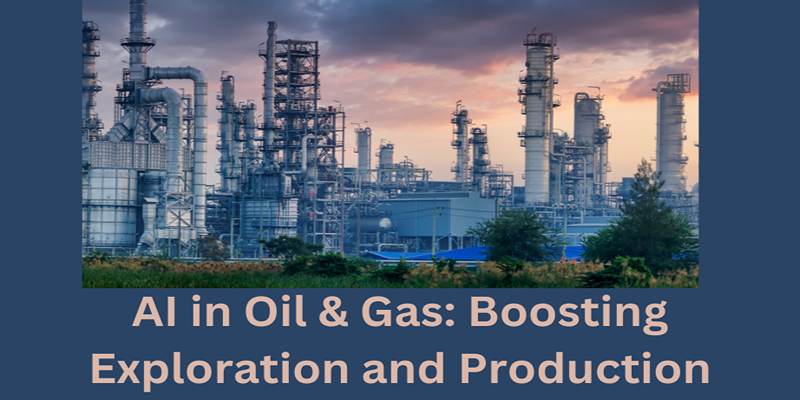
Boosting Oil and Gas Production Efficiency with Artificial Intelligence

Tessa Rodriguez / Mar 27, 2025

AI in oil and gas transforms exploration and production, improving efficiency and reducing costs across operations.

Basics Theory

Bridging the Gap: How AI Can Be Made Accessible to Everyone in Today's World

Tessa Rodriguez / Mar 14, 2025

Know how artificial intelligence can be made accessible to all, breaking technological barriers through inclusivity and education

Technologies

Best AI Communities for Staying Ahead in Artificial Intelligence Trends

Alison Perry / Mar 10, 2025

Find the top ten AI forums to keep updated on trends, network with professionals, and improve your AI knowledge and skills

Impact

The Impact of AI Chatbots on Customer Support: Revolutionizing User Experiences

Alison Perry / Mar 12, 2025

Discover how AI chatbots for customer service help companies improve their response times and support efficiency worldwide

Impact

How Generative AI Will Change Healthcare Professions

Alison Perry / Mar 11, 2025

AI is transforming healthcare careers, changing how doctors and professionals work. Learn more.
Technologies

Top 10 Leaders in Machine Learning: Innovators Shaping the Future of AI

Tessa Rodriguez / Mar 10, 2025

Here are the top machine learning leaders transforming future technology by developing AI in deep learning, robotics, and ethics