Utility services like water and electricity are vital to modern life, but managing them efficiently presents numerous challenges. With rising global populations, resource scarcity, and climate change, managing water and electricity distribution has become more difficult than ever. However, advances in Artificial Intelligence (AI) are helping to address these challenges, making utility management more efficient, sustainable, and cost-effective.
From predictive maintenance to optimized resource management, AI is transforming the way utilities manage water and electricity, benefiting both providers and consumers. This post will explore how AI is enhancing water and electricity utility services, improving overall efficiency, reducing waste, and ensuring sustainability.
Water is one of the most important things people need to live, but it has always been hard to manage. Water companies need to fix problems like inefficient distribution, leakage and save water. AI is an important part of changing the way water is managed and making solutions that are more efficient and last longer.
A major issue that water utilities face is the detection of leaks in their distribution networks. Traditional methods of detecting leaks are often inefficient and costly. However, AI has made it possible for utilities to monitor water systems in real time using predictive analytics. AI algorithms analyze data from sensors placed in pipelines, including pressure and flow rates, to predict where leaks are likely to occur.
This approach not only saves water but also reduces maintenance costs and improves the overall efficiency of water distribution systems.
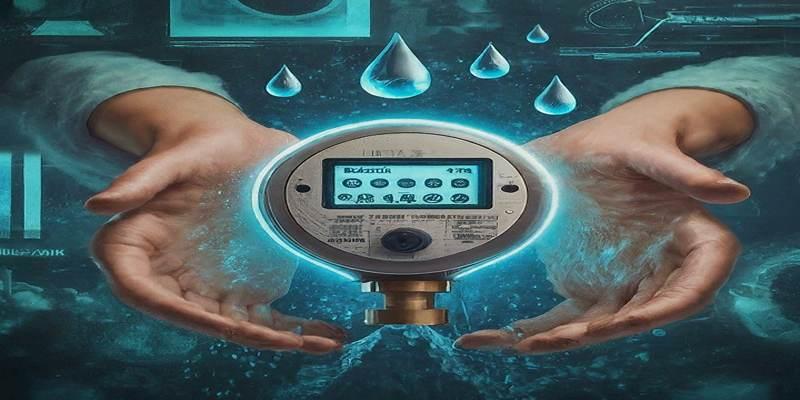
Traditional water meters often require manual reading and may not always provide accurate data. In contrast, AI-powered smart meters enable utilities to monitor water usage in real time.
Smart metering is not only beneficial for utilities but also empowers consumers to manage their water consumption more effectively.
Water treatment is another area where AI is making a significant impact. AI systems can optimize the entire water treatment process by analyzing real-time data on water quality, chemical treatments, and system performance.
Electricity management is equally complex, with utilities responsible for generating, transmitting, and distributing power to millions of consumers. AI is transforming electricity services by optimizing power generation, improving grid management, and enhancing the overall efficiency of the electricity supply chain.
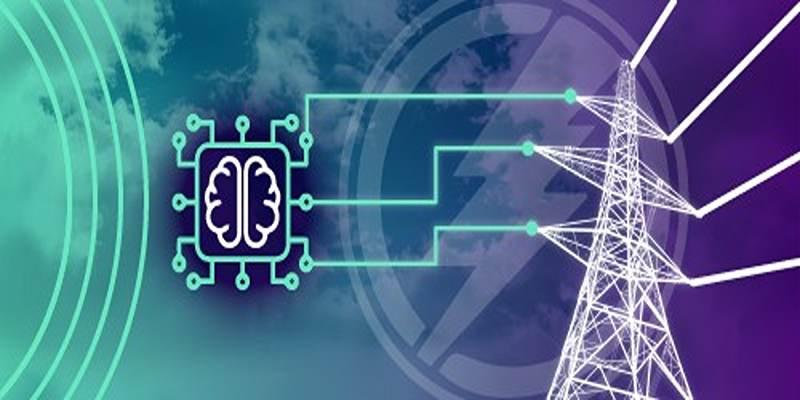
A smart grid is a modernized electricity network that uses digital technology and AI to monitor and manage power distribution. Smart grids can detect faults in real time, reroute electricity to areas experiencing outages, and optimize energy distribution based on demand. With the integration of AI, smart grids become even more powerful.
These capabilities make smart grids highly efficient, providing more reliable electricity services while reducing operational costs.
Demand response management is essential for maintaining a balance between electricity supply and demand. During peak demand periods, AI helps utility companies predict and respond to fluctuations in energy usage. AI systems analyze historical consumption data, weather forecasts, and other variables to predict when demand will spike, allowing utilities to adjust power generation accordingly.
By managing demand more effectively, AI-powered systems help ensure the stability of the grid and minimize the environmental impact of energy generation.
With the shift towards renewable energy sources like solar and wind, AI plays a crucial role in integrating these intermittent energy sources into the grid. Solar and wind energy production can fluctuate based on weather patterns, making it difficult to predict when these sources will produce excess power. AI can predict renewable energy generation and adjust the grid accordingly, ensuring that excess energy is stored or redirected efficiently.
The integration of AI makes renewable energy sources more reliable, reducing the reliance on fossil fuels and helping to meet sustainability goals.
AI is already making a significant impact on water and electricity utility management, transforming traditional methods of resource allocation, grid management, and customer service. As technology continues to evolve, AI will play an increasingly important role in optimizing utility services, improving efficiency, and ensuring a more sustainable future. By embracing AI-driven solutions, utility companies can better manage resources, reduce costs, and deliver more reliable services to consumers, making it an essential tool for the future of water and electricity management.
Learn how to optimize memory usage with NumPy arrays to improve performance and reduce RAM consumption in Python programming.

AI is transforming healthcare careers, changing how doctors and professionals work. Learn more.

AI is redefining healthcare jobs and medical professions. Explore its impact on the industry.
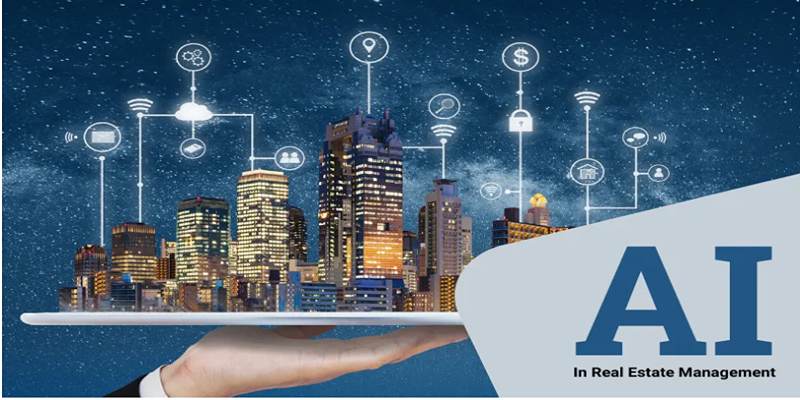
AI helps predict property values and real estate trends, enabling smarter decisions for buyers, sellers, and investors.

Learn about Runway Gen-2, Pika Labs, and Sora among the top three video-generating models changing content creation using AI

AI is the ability of a machine to perform different tasks, including learning, making decisions, and solving problems like humans

Find the top ten AI forums to keep updated on trends, network with professionals, and improve your AI knowledge and skills

AI is reshaping legal careers, automating tasks, and changing how lawyers practice law.

Know how artificial intelligence can be made accessible to all, breaking technological barriers through inclusivity and education
Learn how AI transforms traffic management by reducing congestion, improving safety, and optimizing road systems.

Digital transformation is redefining business models, creating both challenges and opportunities.
AI helps smart buildings save energy, lower costs, and occupant comfort through automation and intelligent insights.