Different fields have changed a lot because of Artificial Intelligence (AI), and fleet management is no different. A lot of logistics and delivery services depend on managing fleets, and AI apps are helping them a lot. AI is a key part of making operations more efficient, cutting costs, and making customers happier. It does this by doing things like route optimization and predictive repair. This post will talk about how AI is improving transportation and delivery services by making them smarter, faster, and more efficient.
AI in fleet management involves using artificial intelligence technologies to automate, streamline, and enhance the management of vehicle fleets. It includes tasks like monitoring vehicle performance, optimizing routes, ensuring driver safety, and predicting maintenance needs. AI leverages data gathered from various sensors, GPS systems, and telematics to make real-time decisions that improve the overall efficiency of logistics and delivery operations.
Route optimization is one of the most powerful applications of AI in fleet management. AI can process real-time data on traffic, road conditions, and even accidents to determine the best route for delivery trucks, helping them avoid congested roads or detours. It not only speeds up deliveries but also reduces fuel consumption, which translates into significant savings for fleet owners.
AI algorithms take into account various factors, such as:
It shortens delivery times, makes customers happier, and improves the general efficiency of operations.
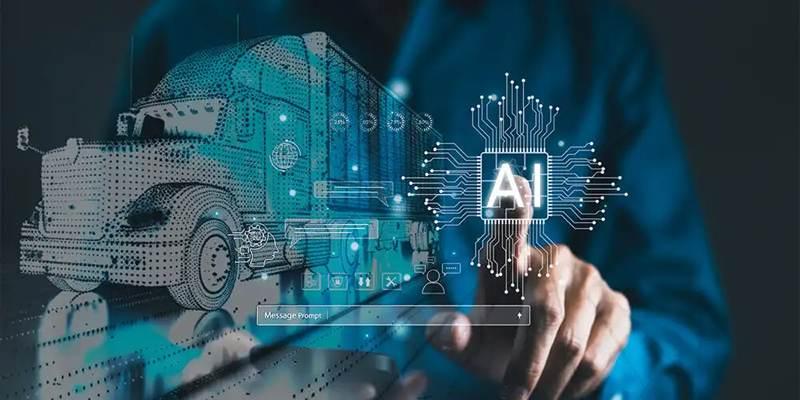
In fleet management, Predictive Maintenance is a key part of AI. AI-powered systems constantly check the performance of cars by gathering information from the fleet's many sensors. These systems can find small problems before they get worse, which lets fleet managers plan upkeep and repairs ahead of time.
It helps prevent:
AI also plays a crucial role in improving fuel efficiency within fleet management. By analyzing data on driving behavior, AI can suggest adjustments to driving patterns that can reduce fuel consumption. For example, AI can identify instances where drivers are speeding, idling for too long, or accelerating rapidly, all of which contribute to higher fuel usage.
Fleet managers can use this data to:
Driver safety is a critical concern in fleet management, and AI can significantly improve safety standards. AI systems equipped with advanced telematics and driver monitoring tools can track driver behavior in real time, providing instant feedback on unsafe driving habits.
AI can monitor for:
These real-time alerts help reduce accidents, ensure compliance with safety regulations, and promote better driving habits, leading to safer operations.
AI has a direct impact on customer satisfaction by ensuring faster, more reliable deliveries. Customers today expect real-time updates on their orders, and AI systems can deliver on these expectations by providing:
As a result, customers are more likely to return to a service that offers fast, reliable, and transparent delivery experiences.
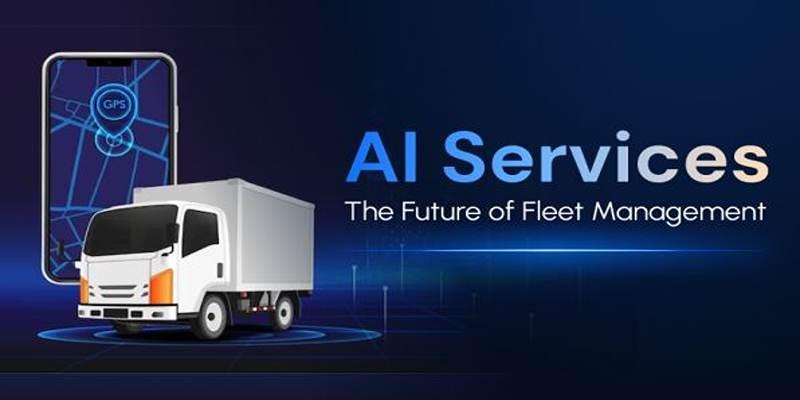
As AI technologies continue to advance, the future of fleet management looks promising. Some of the most exciting innovations on the horizon include:
AI is revolutionizing fleet management and transforming logistics and delivery services. From optimizing routes and ensuring predictive maintenance to improving fuel efficiency and driver safety, AI offers significant advantages for businesses in the transportation sector. As AI continues to evolve, fleet management will become even more efficient, reducing costs and enhancing customer satisfaction. Companies that embrace AI-powered solutions will be better positioned to thrive in a competitive, fast-paced delivery environment.

Discover how AI chatbots for customer service help companies improve their response times and support efficiency worldwide
Here are the top machine learning leaders transforming future technology by developing AI in deep learning, robotics, and ethics

Digital transformation is redefining business models, creating both challenges and opportunities.

Find the top ten AI forums to keep updated on trends, network with professionals, and improve your AI knowledge and skills
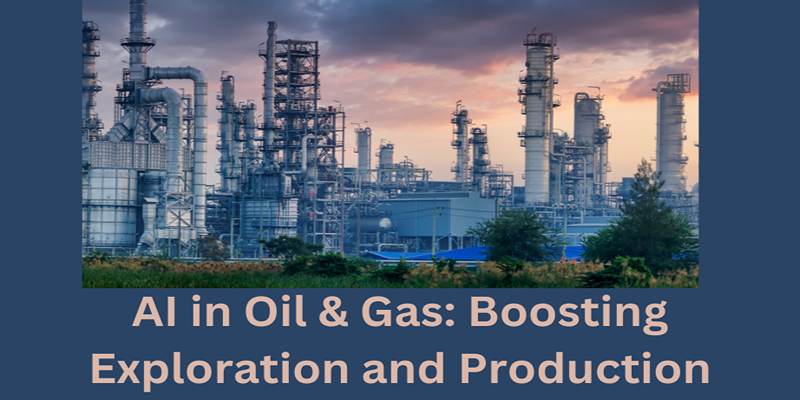
AI in oil and gas transforms exploration and production, improving efficiency and reducing costs across operations.

Discover how generative artificial intelligence for 2025 data scientists enables automation, model building, and analysis

AI-driven predictive analytics is transforming energy demand forecasting, enhancing accuracy and optimizing management.

AI is transforming water and electricity utility services by enhancing efficiency and reducing costs globally.
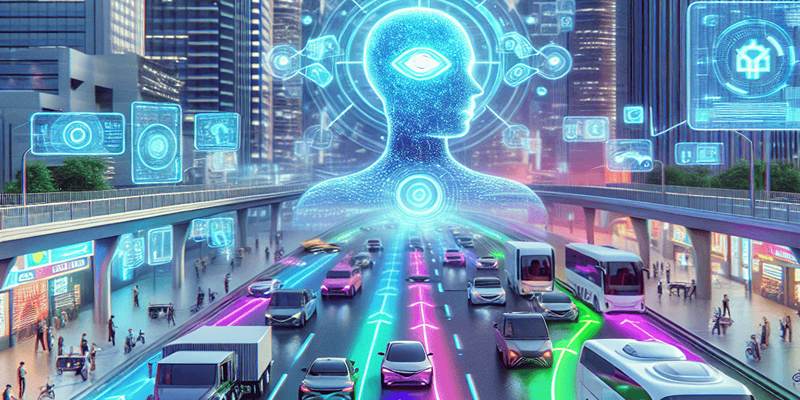
Learn how AI transforms traffic management by reducing congestion, improving safety, and optimizing road systems.

AI is redefining healthcare jobs and medical professions. Explore its impact on the industry.

AI is transforming healthcare careers, changing how doctors and professionals work. Learn more.

Learn the essential math, machine learning, and coding skills needed to understand and build large language models (LLMs).