Supply Chain 4.0 through generative AI is revolutionizing the global supply chain through the improvement of efficiency, effectiveness, and decision-making. The previous supply chain management processes included manual tracking of the supplies and the use of low-end forecasting techniques, which in turn took a lot of time. Currently the AI in supply chains involves the use of data and other forms of automation in business processes, analytics, and machine learning. From automating the various aspects of the last mile delivery to tracking inventory levels in real-time, AI is contributing towards improving the supply chain. There are several advantages that can be associated with the adoption of AI in businesses, which include cutting down costs, enhancing the satisfaction of the clients, and enabling the businesses to remain competitive in the current economy.
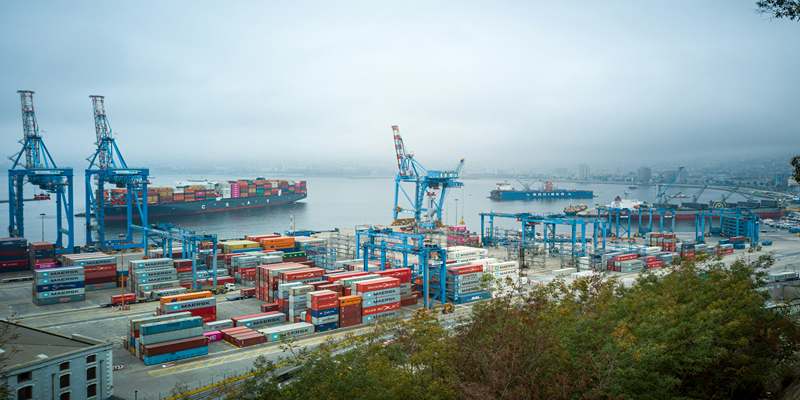
Through the use of AI, one is able to track the location of the shipment, the stock that is available, and the changes in the demand for the product. Regarding the matters of concern that traditional supply chains encounter, one of them is the issue of opacity that leads to less efficiency. The use of artificial intelligence enables the companies to have better analysis of the activities in logistics and thus have better decisions made. The application of machine learning means that disruption is foreseen in advance, so the supply chain managers can change the path, regulate the inventory, and guarantee delivery. However, it also assists in strengthening the supplier relations since the organization gets a single place for monitoring the activities that take place worldwide. As advanced technologies are integrated into the supply chain solutions, particular mistakes and the overall slowness can be avoided significantly, thus improving the reliability of the supply chain systems.
The supply chain benefits from utilizing AI in predictive analytics to predict the demand patterns and the inventory levels. The traditional approaches to forecasting are based on the past data, but the AI helps in increasing the accuracy by evaluating the market trends, economic factors, and real-time data. Organizations that integrate AI into supply chain management can avoid overstocking, stock-out situations, and excess inventory. AI also helps in automating the supply chain planning so that the business can make decisions based on data in the shortest time possible. These AI capabilities make supply chains more effective and robust in the complex global markets.
Logistics automation is one of the rapidly progressing fields that has a major impact on transportation through accurate route determination, decrease of fuel consumption, and improvement of delivery accuracy. Route planning and optimization systems based on artificial intelligence make use of traffic flow, climate conditions, and other factors affecting delivery routes to select the best. The advancements in artificial intelligence and machine learning also assist logistics organizations in identifying the likelihood of delay and managing the time frame of delivery accordingly. Also, drones as well as self-driving trucks are being adopted to enhance last-mile delivery to the consumers. The application of AI in the management of the logistics has the potential to reduce the expenses on operations, increase the delivery time, and satisfy the customers.
Now, it is possible to speak about the profound changes that have occurred in the sphere of warehousing with the use of robotics and artificial intelligence. Robots are used in the automation of sorting, picking, and packing of the goods to minimize the use of the people in the process. AI in warehouse management systems improves the storage area, reduces order processing time, and improves the operational performance. These advantages help in bringing down the operational costs, cutting down the number of mishits where orders are misplaced or not delivered to customers on time, and enhancing the customers’ experience. With the advancement in technology, smart warehouses will further develop the use of robotics and automation to enhance the process of the supply chain.
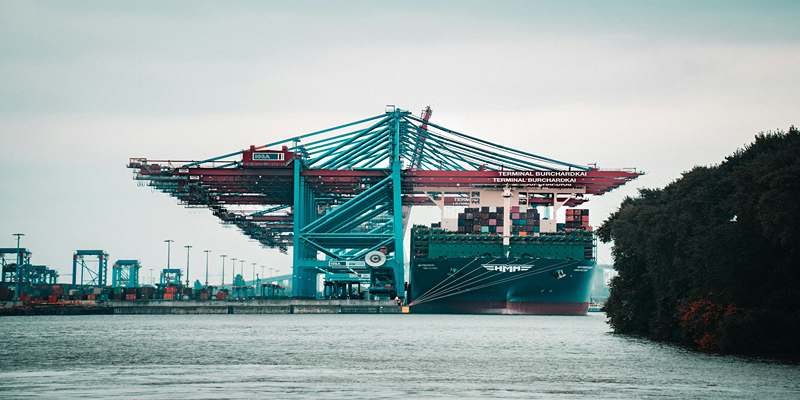
There are issues with the adoption of AI in the supply chain, for example, high implementation costs and technical issues. Some of the companies have no adequate internal structure and/or lack proper experience to implement the AI logistics solutions. Also, there is an issue of workforce adaptation, as the majority of employees have to learn how to work with AI tools and systems. Another problem is the integration with the existing supply chain management software; this means that organizations have to go for a system compatibility update. There are also regulatory issues that organizations need to address concerning the use of AI in automation. Meeting these challenges calls for a strategic approach to AI training, a phased approach to AI implementation, and collaborations with vendors of AI technologies.
As the adoption of AI increases; so does the apprehension of ethical issues and security threats. This is due to the fact that supply chains powered by AI gather a lot of data, and such data can be vulnerable to cyber threats. Due to the increased threat of cyber threats, companies have no option but to put in place security measures to enhance data security. There are also some ethical questions regarding the use of AI in decision-making, which is especially the case when AI decisions are made about employment opportunities or contractors. The goal of making the AI systems transparent is important in an attempt to reduce unfairness in the systems. To support the implementation of AI in supply chains, companies must set up a code of conduct, supervision of AI decisions, and respect for the regulatory frameworks.
Generative AI is reshaping global supply chains by improving visibility, enhancing logistics automation, and optimizing efficiency. AI-powered solutions allow businesses to streamline transportation, warehousing, and inventory management while reducing operational costs. However, challenges such as AI integration costs, security risks, and ethical concerns must be addressed for successful adoption. As AI technology evolves, its role in supply chain optimization with AI will continue to grow, making supply chains more resilient and adaptive. Companies that embrace AI innovations will gain a competitive advantage, ensuring a future where automation drives supply chain success and global logistics efficiency.

AI is transforming healthcare careers, changing how doctors and professionals work. Learn more.

Discover 8 AI-driven data analytics technologies with superior AI analytics solutions that enable better corporate decisions
Explore the top 7 machine learning tools for beginners in 2025. Search for hands-on learning and experience-friendly platforms

Learn how to optimize memory usage with NumPy arrays to improve performance and reduce RAM consumption in Python programming.

AI is the ability of a machine to perform different tasks, including learning, making decisions, and solving problems like humans
Learn the essential math, machine learning, and coding skills needed to understand and build large language models (LLMs).

Discover how AI chatbots for customer service help companies improve their response times and support efficiency worldwide

AI-driven predictive analytics is transforming energy demand forecasting, enhancing accuracy and optimizing management.
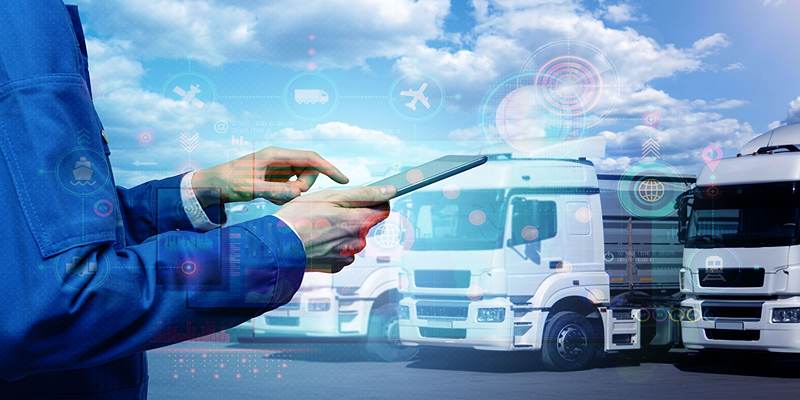
Learn how AI in fleet management optimizes logistics, reduces costs, and improves efficiency in delivery services.

AI is optimizing supply chains, improving logistics, and boosting efficiency in global trade.

AI is redefining healthcare jobs and medical professions. Explore its impact on the industry.
Learn how AI transforms traffic management by reducing congestion, improving safety, and optimizing road systems.